Education – protecting the vulnerable
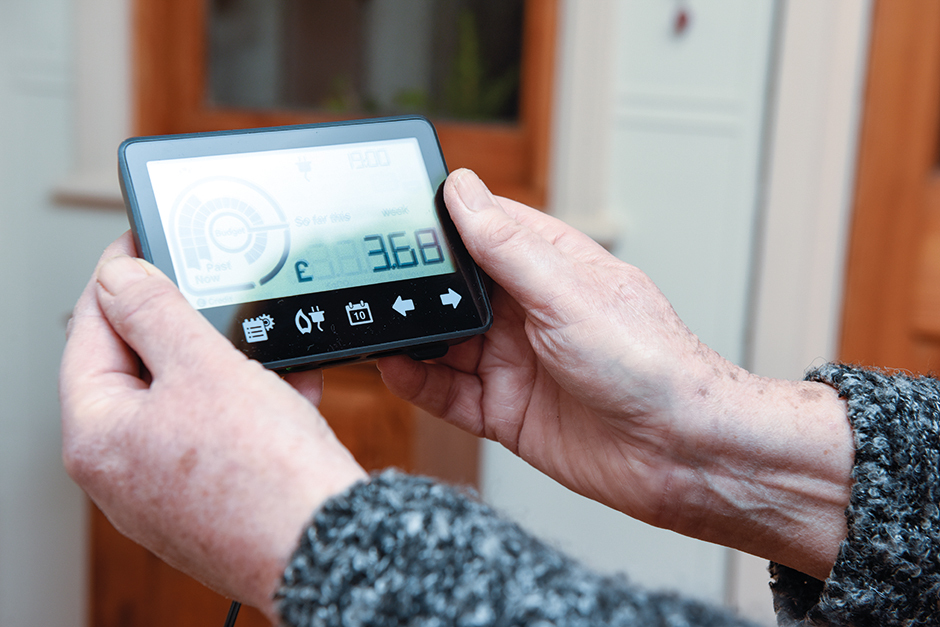
The cost of energy in the UK has risen dramatically, with annual bills for a typical household soaring from an average of £1,042 in 2020-21 to £1,738 today, according to the latest figures from Ofgem.
That unprecedented increase in the cost of gas and electricity over the past five years has resulted in many UK residents falling into fuel poverty.
The Committee on Fuel Poverty’s 2024 report estimated that 3.17 million households (13%) in England were in fuel poverty in 2023, and that the average fuel poverty gap (the reduction in fuel bills needed to take a household out of fuel poverty) had risen to £417, up by 20% on 2022.
Figures from the UK fuel poverty charity National Energy Action (NEA) suggest that 10,000 excess winter deaths each year can be attributed to a cold home. Fuel poverty can also have a significant impact on mental health and is a known risk factor for suicide.
According to the CIPHE’s updated Manifesto 2025-27, high energy costs are also hindering the adoption of renewable technologies, such as heat pumps, due to the imbalance between gas and electricity prices. Investment in renewable energy, including wind and solar, could reduce prices and encourage consumers to switch. However, this requires both government and private-sector funding, as well as installer training and homeowner incentives.
Kevin Wellman, CEO of the CIPHE, says: “The ongoing unpredictability of fuel prices leaves no doubt that bills will be impacted. I fear times are going to get tougher during these periods of colder weather, particularly for the more vulnerable members of society, with some people regrettably being faced with the difficult decision to choose heating or eating.”
Frontline support
It’s clear that more needs to be done to help vulnerable people who are living with the reality of not being able to afford to heat their homes. Plumbing and heating engineers are ideally placed to help recognise customers in need and arm them with the knowledge to help deal with their situation.
NEA has been working across England, Wales and Northern Ireland for over 40 years, with frontline practitioners, companies, regulators and the government, campaigning for everyone in the UK to be able to afford to live in a warm, safe and healthy home.
Its training courses and education programmes are designed to help learners understand issues affecting households in fuel poverty and increase knowledge and skills in areas such as energy efficiency, fuel debt and decarbonisation technologies.
Installer training
NEA’s courses aimed at installers include Understanding Fuel Poverty and Health, and Providing Advice to Vulnerable Clients, as well as a bite-size course on Identifying Customers in Vulnerable Situations (see below).
“We teach learners how to identify vulnerable households and provide them with useful advice,” explains Chris Ellis, head of training and development at NEA. “They learn how to signpost people to further assistance and support. NEA also runs courses that cover technologies such as smart meters and renewable energy, which can help households to embrace the green transition.”
Courses are run both in-person and remotely, with some leading to qualifications.
As well as offering courses to frontline workers, NEA also delivers learning resources aimed at residents to enhance their understanding of keeping warm and safe at home, how to use energy wisely and ways to reduce carbon dioxide emissions.
“When carrying out emergency works during this time of year, installers have a great opportunity to identify people who are particularly vulnerable,” says Wellman. “I welcome training programmes for installers to help them provide the necessary support to their customers, which includes signposting them to helpful resources.”
IDENTIFYING CUSTOMERS IN VULNERABLE SITUATIONS
Course aim
This bitesize e-learning module will help installers recognise someone who is potentially vulnerable and equip them with the basic tools to signpost that person to the relevant assistance.
The short virtual training module is designed for frontline staff from a range of organisations who might encounter households in vulnerable situations in relation to their domestic energy use. This includes staff who undertake home visits or who speak to customers on the phone. It is designed to be viewed either on an individual mobile device or as a group ‘toolbox talk’ presentation.
Individual organisations will need to be mindful of their own procedures for safeguarding and signposting customers to outside agencies.
How does the bitesize e-learning work?
Self-led e-learning gives learners the flexibility to study as and when they wish. The ‘bitesize’ format means that the course is brief and designed to provide a basic introduction to the topic (more in-depth courses are available upon request).
The course is designed to be viewed on a smartphone, device or a computer, meaning that it can be accessed on the go if required. Once registered, learners will have access to the course for four weeks and be able to study online at a time and location that is convenient to them.
A flyer covering the relevant topics will also be available to download and keep. Individual and organisation licences are available.
Tutor support
Tutor support will be available upon request. This is usually done via telephone or video call.
Suggested study time
This bitesize module will take approximately 20-30 minutes to complete, however each learner is different and e-learning offers the flexibility to study at your own pace. Learners will have access to the course for four weeks from their selected start date.
Visit nea.org.uk/training/course-outlines/bitesize-vulnerable-situations to find out more.
Please note, the course content will focus mainly on England and Wales. If you are based in Northern Ireland or Scotland, contact trainingadmin@nea.org.uk before booking to discuss.
You might also like

Meet the member: Chris Chapman
Meet the Member – Mark Brown