Interview: CIPHE National President Paul Daley
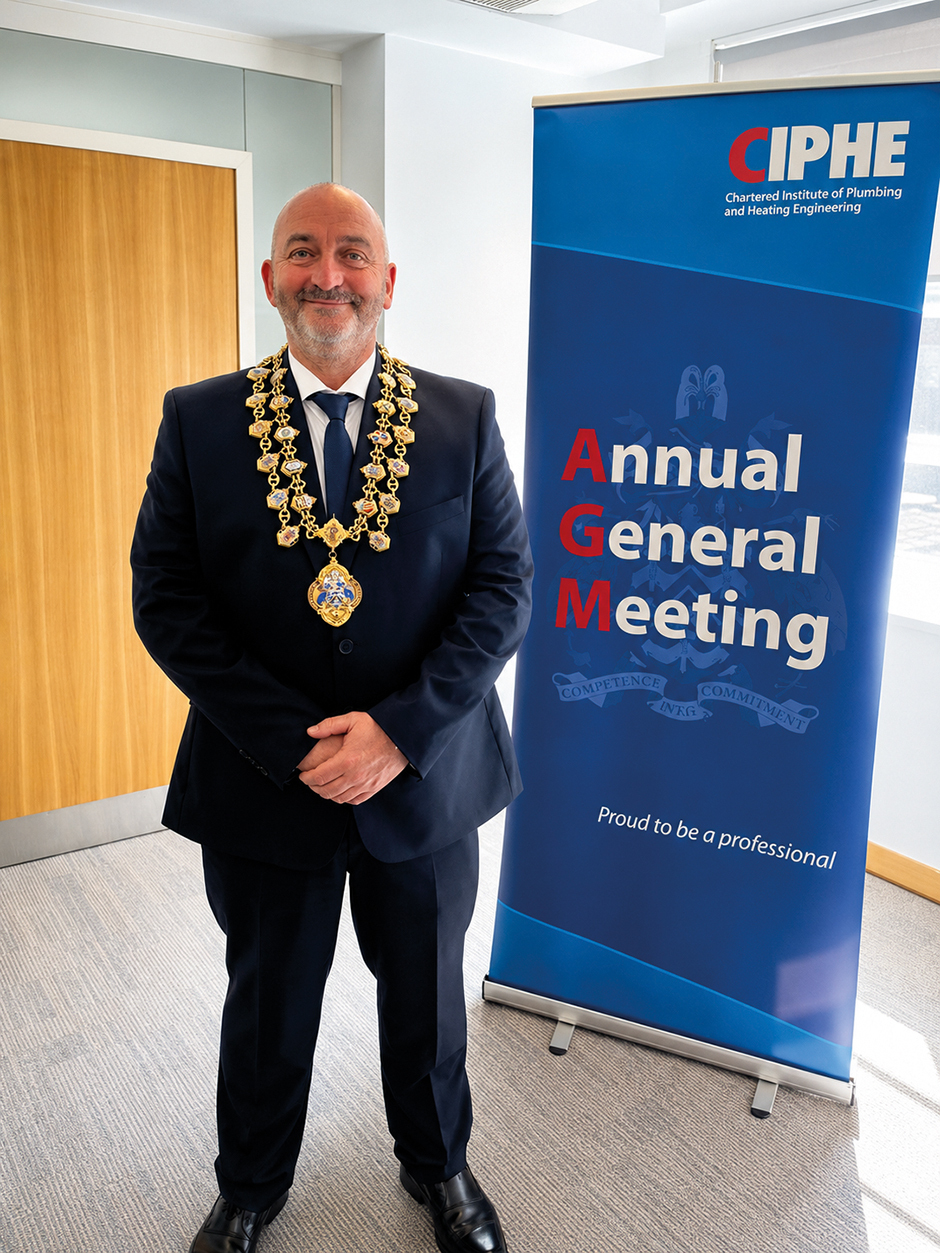
Paul Daley, who has recently been sworn in as the CIPHE’s president, has over three decades’ experience in the plumbing and heating industry. As an active CIPHE member and independent business owner, he has dedicated his career to technical standards, managing complex installations and advocating for public safety.
“My interest in mechanics really goes all the way back to when I was a kid, long before I ever picked up a pipe wrench,” explains Paul. “From my pre-teen years, I was completely fascinated by how things worked and how they were put together. I was that child who couldn’t look at a machine or a structure without wanting to know the mechanics behind it. I was extremely fortunate to grow up surrounded by practical craftsmanship and problem solving. My stepdad was a joiner, so I saw firsthand what it meant to take raw materials, apply precision, and build something tangible with your hands. On the other side, my dad was a TV and video recorder engineer which, back in those days, was pure precision electronics and detailed troubleshooting.”
After joining the plumbing and heating industry at the age of 29, Paul spent the first five years of his career working in the domestic market before transitioning to the commercial sector, in which he has been operating for the last 25 years.
Industry advocacy
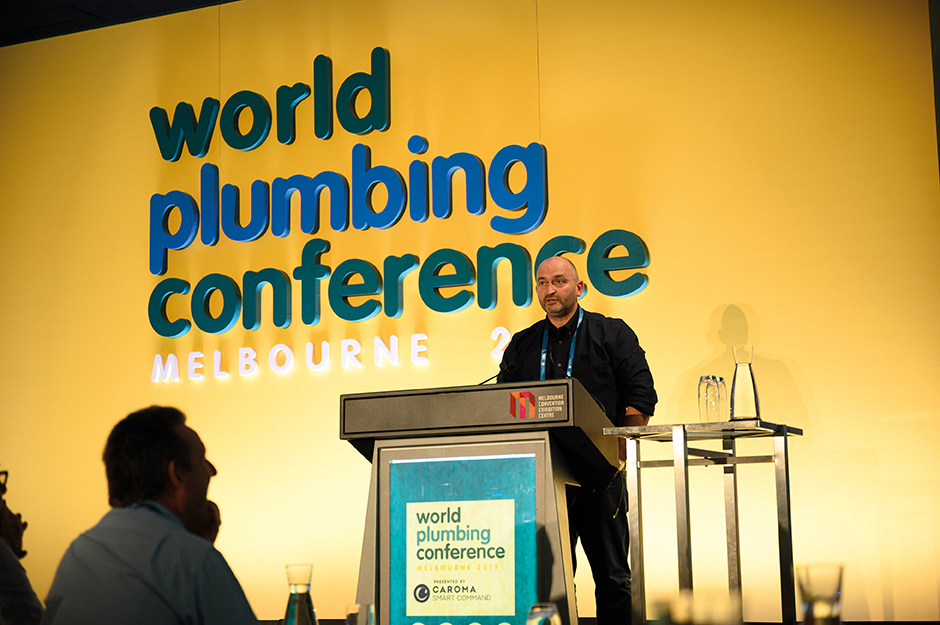
In 2019, Paul attended the World Plumbing Conference in Melbourne, Australia, speaking as an independent business representative, sharing his knowledge about the issues he viewed as vital.
“It was a major highlight of my career,” he says. “I delivered a session highlighting two critical issues facing our industry: the vital requirements of backflow protection to safeguard public water supplies and the necessity of mandatory licensing for plumbers to raise global standards and accountability.”
Paul was also a guest speaker at this year’s World Plumbing Conference, alongside industry expert Peter McLennan, Sean Cleary of IAPMO and Julie Spinks, managing director of WRAS, discussing how regional infrastructure, regulation and innovation intersect to shape risk and reliability.
This session discussed a possible roadmap for harmonising standards, strengthening compliance and driving consistent adoption of proven backflow prevention solutions, drawing on UK priorities and international best practice. It also looked at emerging technologies, including smart valves, real-time monitoring and predictive diagnostics that can detect and eliminate contamination threats before they reach the tap.
In his role as a public safety advocate, Paul has attended other international events, including conferences with the American Backflow Prevention Association and the Backflow Prevention Association of Australia, championing change and promoting best practice.
Leading change
Paul views his involvement with the CIPHE as a natural extension of his advocacy work. “I’m dedicated to driving the Institute’s mission around professional development, consumer safety and industry recognition,” he explains. “Over the past five years, I have worked closely with CIPHE CEO Kevin Wellman on international initiatives and championing the key values of safety, licensing and professional excellence across our trade.
“The CIPHE is vital because it is the guardian of professional standards and public safety in our industry. As the UK’s only chartered body for plumbing and heating engineering, it bridges the gap between hands-on trade work and accredited engineering excellence.
“Beyond supporting engineers with career pathways and CPD, the Institute plays a crucial role in lobbying for mandatory licensing, protecting public health through safe water and backflow prevention, and leading the transition toward low-carbon technologies. Put simply, the CIPHE elevates our trade, protects the consumer, and ensures our industry is ready for the future.”
Presidential priorities
During his term, Paul’s core mission is to champion best practice and uncompromised backflow protection across the industry. To achieve this, his main vehicle will be knowledge sharing and education through strong business partnerships.
“Water safety is a public health issue and, as engineers, we are the frontline defenders of that supply,” says Paul. “Backflow prevention isn’t just a technical detail, it’s essential in keeping the public safe. During my term, I want to bring water regulations and fluid category risks back into sharp focus, ensuring that every installer, property manager and specifier understands the vital role proper backflow protection plays.
“For me, plumbing and heating aren’t just technical jobs, they are vital public health services. Whether it’s protecting clean water systems, advocating for proper backflow prevention, or driving safety standards, this role gives me a platform to stand up for the critical work installers do every single day. Being able to represent an institute that keeps the public safe and raises the bar for technical excellence means the world to me.”
Challenging times
Paul believes that installers today aren’t just dealing with technical complexity – they’re working in conditions that undermine their safety, restrict their cash flow and chip away at their professional dignity.
“The first and most immediate crisis is tool theft,” he says. “It has become a relentless, organised epidemic. A van break-in takes minutes, but it can instantly strip an engineer of £5,000 to £8,000 in specialised kit. It isn’t just the physical loss; it’s the lost income, the ruined schedules, the soaring insurance premiums and the mental toll of waking up every morning wondering if your livelihood has been wiped out overnight.”
The second challenge Paul cites is the rise of dangerous, unvetted social media DIY ‘hacks’. “We now have self-proclaimed experts broadcasting non-compliant advice to millions, bypassing Water Regulations, showing illegal gas work or ignoring basic backflow protection. Installers are constantly forced to waste time on site explaining to clients why a viral 30-second video is illegal, unsafe or going to contaminate their water. It risks public health and damages trust in proper craftsmanship.”
However, Paul thinks the deeper issue underlying all of this is the erosion of the plumber’s worth, and installers not recognising their own value. “Our trade has spent decades being undercut by race-to-the-bottom pricing, leading parts of the public to view plumbing as basic manual labour rather than what it truly is, a vital public health discipline.
“Part of that responsibility falls on us. Many brilliant engineers are master technicians but they were never taught business management or pricing psychology. Out of fear of losing a job, installers constantly undercharge, work 70-hour weeks, and fail to price in their true overheads, including ongoing training, insurance and tool replacement funds.”
Word to the wise
Many installers are taking on too much work, which stretches schedules and impacts quality of life. Ultimately, this creates huge cashflow bottlenecks when jobs get delayed or invoicing falls behind, says Paul. “Knowing when to say no or not right now protects both your sanity and your profit margins. Admitting what isn’t your strong suit, whether that’s administrative drag, scheduling logistics or specific technical tasks allows you to delegate or streamline.
“Reward the people working for you – it creates loyalty and buys you peace of mind. A reliable crew is the ultimate stress-reducer. Humility in business is a superpower. The moment someone thinks they’ve figured it all out is usually right before a steep drop.
“It comes back to the motto I live by every single day – every day is a school day: never stop learning and learn the business, not just the trade. When you’re an apprentice, it’s easy to think that once you get your qualifications, pass your site assessments, and get your card, you’ve made it and the learning stops. But the best engineers are the ones who thrive over a 40-year career and stay curious. The tech in our industry is evolving faster than ever, from renewable heating to advanced water safety standards, and the moment you think you know it all is the moment you start getting left behind. Ask questions on site, learn why something works rather than just how to fit it, and treat every mistake as a lesson.”
Paul’s biggest piece of advice is for installers to start understanding their value and the basics of business from day one. “Learn what it costs to run a van, pay for insurance, buy quality tools and invest in ongoing training. Master your communication skills and respect your own time. If you build top-tier technical craft and understand the true value of your work, you won’t just be a great plumber, you’ll build a resilient, profitable and proud career where nobody can undercut your worth.”
Industry champion
Paul Daley, also known as Captain Backflow, is not only the new President of the CIPHE, but a Water Industry Approved UK-based plumbing contractor, specialising in backflow prevention and water regulations compliance.
As well as running Daley Plumbing and Heating, he also tests and installs RPZ valves and carries out installations, testing, commissioning and certification of backflow prevention devices. Paul is also registered with the CIPHE and with Gas Safe.
Paul raises awareness about water contamination risks – including backflow incidents that can lead to blue- or green-tinted water – through his superhero persona, which he uses across social media and industry events to educate plumbers, installers and the public about water safety. He also appears in training videos on backflow devices and water regulations, emphasising strict compliance with the UK’s Water Supply (Water Fittings) Regulations 1999 to protect public health.
You might also like

Plumbing and heating careers off the tools

Toilets: a guide for plumbers