Gas safety legislation: know the law
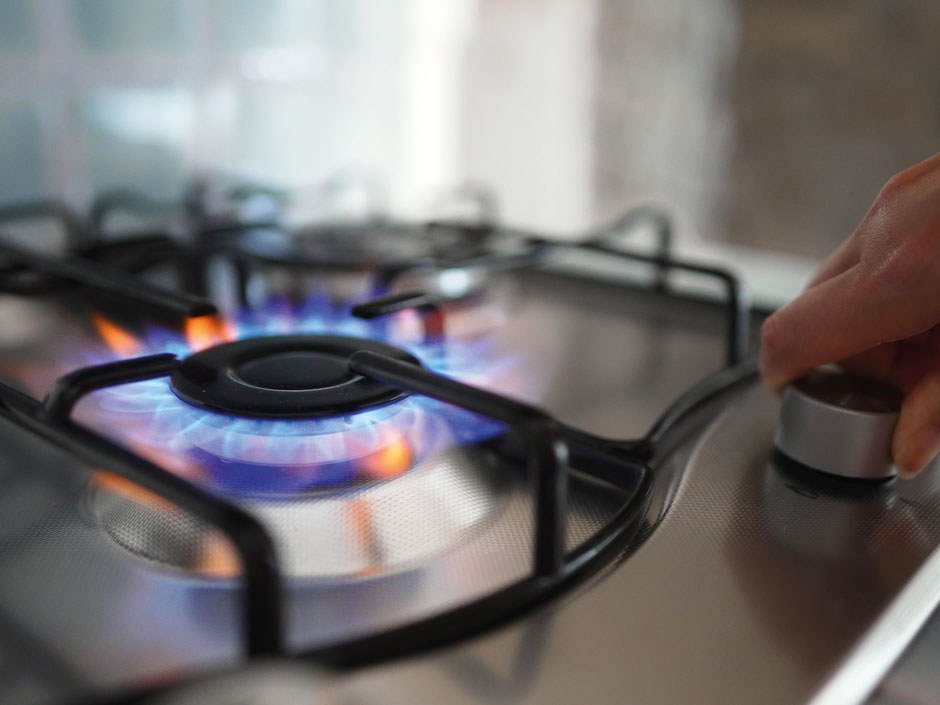
Every September, Gas Safety Week brings together industry, homeowners, landlords and experts to raise awareness of the importance of gas safety in the UK. Families continue to rely on gas for heating and cooking, so it’s essential to understand the legal responsibilities around gas safety and how to stop the network of illegal workers.
UK gas safety laws
Gas safety is protected by robust UK laws designed to save lives and prevent disasters. Here’s what you need to know:
- Landlords must arrange an annual gas safety check for all gas appliances, flues and pipework in every rental property. Only a Gas Safe-registered engineer can perform and certify the work. The resulting Gas Safety Certificate must be given to tenants within 28 days of the inspection and a record of it must be kept for at least two years.
- Tenants are required to promptly report any gas appliance faults to their landlord. Tenants must never attempt to repair gas appliances themselves and should always allow access for the annual gas safety check.
- Private homeowners: While not legally required to obtain annual certificates, homeowners are strongly encouraged to get their appliances checked annually by a Gas Safe-registered engineer for peace of mind.
- Smoke and CO alarms: Landlords must install at least one smoke alarm on each storey of a rental property used as living accommodation. They must also install a carbon monoxide (CO) alarm in any room used as living accommodation that contains a fixed combustion appliance (including gas boilers, gas fires, and solid fuel appliances). Alarms must be tested on the day a new tenancy begins, and landlords must repair or replace faulty alarms as soon as they are made aware. This protects tenants from CO poisoning, a deadly risk posed by unsafe appliances.
These laws are enforced by organisations such as the Health and Safety Executive (HSE) and the Gas Safe Register, and aim to minimise accidents, explosions and poisoning. We encourage every resident, private or rented, to test their CO alarm on a weekly basis. Project SHOUT, which raises awareness about the dangers of CO poisoning, runs a campaign encouraging people to test their alarms every Tuesday, with the hashtag #TestItTuesday.
Illegal gas workers
According to Gas Safe Register, every year illegal gas fitters put more than a million households at risk of CO poisoning, gas leaks, fires and explosions.
The study by the nation’s only official gas registration scheme, found that in just one year illegal gas fitters installed more than 186,000 gas cookers, 147,000 boilers, 75,000 gas fires, 32,000 gas meters and 645,000 gas pipes.
Gas Safe Register has investigated almost 5,000 illegal gas jobs in recent years and found that three in five were in an unsafe condition. A worrying one in five were deemed so dangerous that the appliance had to be disconnected.
In all cases, none of the householders asked to check the installer’s credentials, despite it being a legal requirement for an engineer to be on the Gas Safe Register. Worryingly, Gas Safe Register found that 16% of people would trust an engineer who said they were registered without their checking ID.
To help stem the rise in illegal gas workers, we encourage installers to show their gas ID card before starting work, even if they haven’t been asked. If every gas-registered engineer started doing this tomorrow, it would be seen by more than two million people a year and would quickly become the norm. Find out more by searching the hashtag #RegardTheCard.
Finding a gas leak
Gas leaks are dangerous, but knowing how to spot one quickly can prevent disaster. On receiving a call about a potential leak, ask the responsible person to turn off the gas, open the windows, not operate any electrical appliances and vacate the building. If there are any problems isolating the gas (ECV), advise the caller to immediately call the gas emergency helpline on 0800 111999.
When you arrive on site, keep calm and use your training. If the resident is still at the property, ask them where the smell of gas was coming from.
Gas leaks can be difficult to find, so start with all the obvious means of escape, such as a gas hob controller being left open. You could use an electronic gas detector if you have one to point you in the right direction, but the gas might have dispersed from the area if the supply has been turned off.
Perform a let by and tightness test with all appliances connected and record your findings. Remember, a permissible drop will not be allowed as the smell of gas has been detected.
Investigate the gas carcass throughout the property. Look for any signs of corrosion and damage. Perform safety checks on all the appliances, for example gas valves in permanent pilot on boilers.
When you are sure that you have found the problem and you are happy you have repaired the cause of the escape, reinstate the gas supply.
- For more information about the Gas Safe Register, visit gassaferegister.co.uk
Consumer advice
Installers need to tell their customers how important it is to employ registered engineers:
- Reporting suspected illegal work: customers who suspect illegal gas work can report it via the Gas Safe Register. Investigators may inspect the property and collect witness statements to pursue legal action against offenders. Protecting the public is the core focus, and whistleblowers play a vital role in enforcement.
- How to check credentials: customers should always ask to see a Gas Safe engineer’s ID card before letting them start work. They can check an engineer or business’s registration online via the Gas Safe Register database.
- Book annual servicing: an annual gas safety check with a registered engineer will help spot leaks, maintain safe function and optimise the efficiency of appliances.
You might also like
The role of heat interface units (HIUs) in modern heat networks

How to install press-fit pipework for ACR systems