Installing and maintaining toilet cisterns
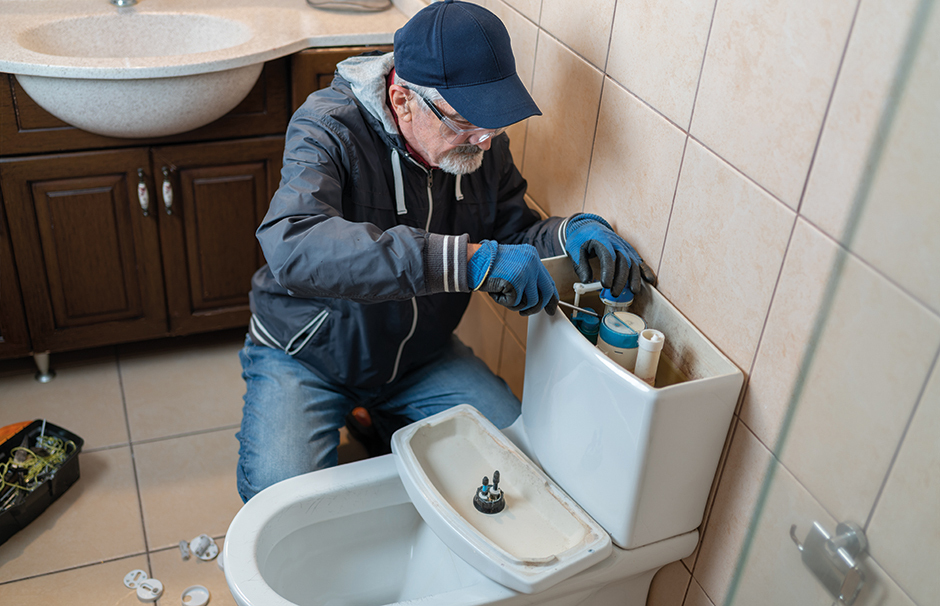
The humble toilet has come a long way, quite literally in the case of the £17m toilet installed on the Artemis II, which recently travelled to the moon and back. Despite costing an eye-watering amount, the toilet broke down mid-mission and needed to be repaired. Don’t all rush for the role as space plumber – it might be a while coming!
Although toilets still work on a simple fill-and-flush system, a lot has changed in the last decade as concerns over water conservation and hygiene have taken centre stage.
The toilet cistern comprises a valve to flush the water into the bowl and a siphon or valve to replenish the cistern with water – simple, right?
Not any more – we now have so many types of siphons. In fact, they are now mostly drop valves, not siphons. We also find that the ballcock or ball valve is now a float valve, or is that a fill valve or inlet valve? There are so many types, but they all do the same job regardless of what you want to call them.
Commissioning a toilet cistern
According to the The Water Supply (Water Fitting) Regulations 1999, the toilet is a fluid category 5 with backflow protection built in as a type AUK1 arrangement, if not they need to be supplied via a suitable backflow prevention arrangement offering fluid category 5 protection. Depending on the type, you may need to notify the local water company before installation, especially when a hose is adjacent.
The maximum flush should not exceed 6L, but less is better. Taking this further, systems that use rainwater or greywater for flushing can significantly reduce potable water consumption. However, there is nothing standard about the flush valves because there are so many: push button or cable push button, sensor flush, pneumatic dual flush valves, turbo siphon… This means plumbing and heating engineers are going to be carrying quite a lot of stock.
Installation
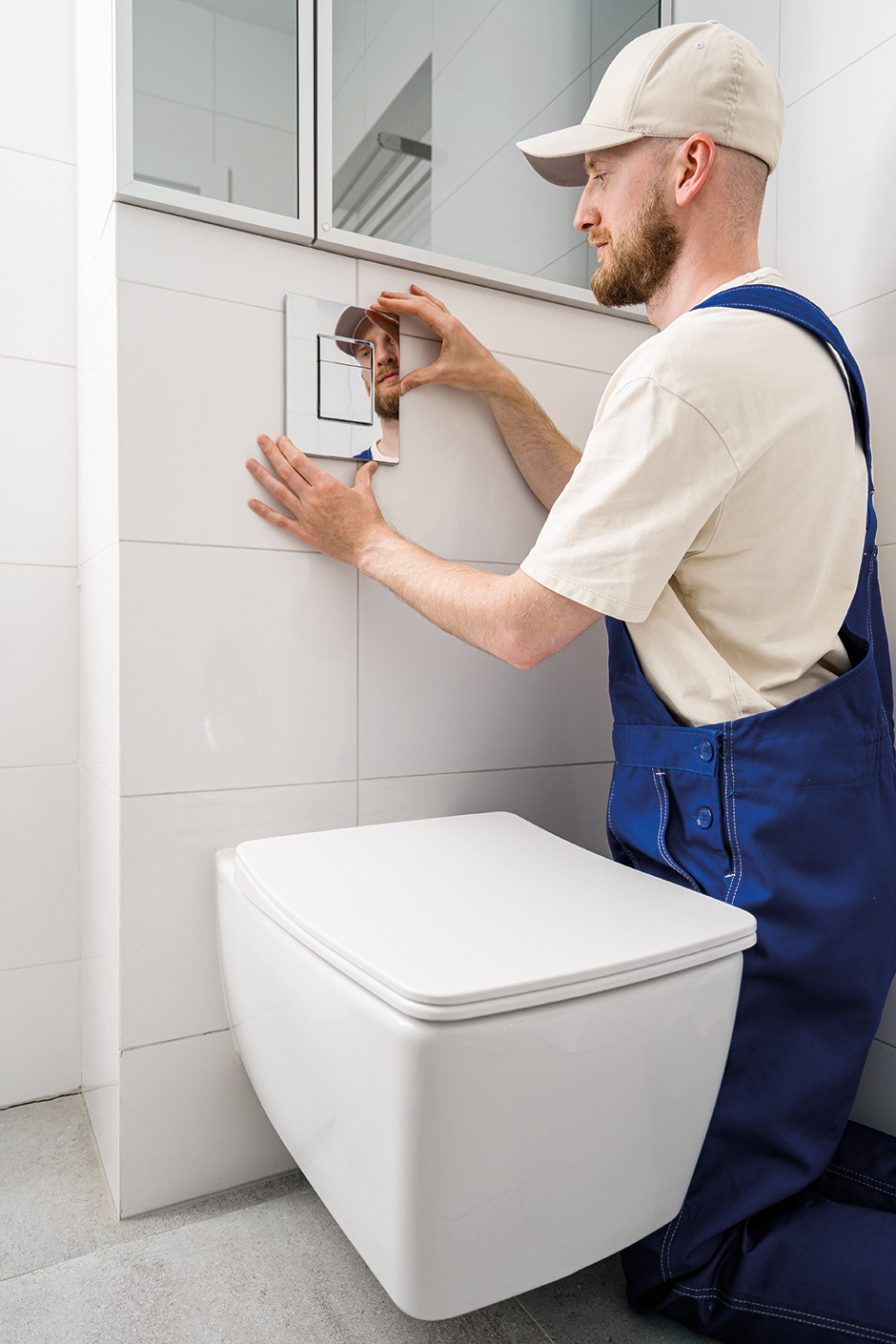
The toilet cistern can be surface mounted, concealed or just bolted onto the bowl as a close-coupled arrangement. A concealed cistern might be difficult to access depending on the installation, a cistern mounted onto the bowl might be glued to the wall as some people think glue is a fit-and-forget solution, while we might also find bolts rusted away that no longer want to be parted, each making maintenance more demanding.
There are even toilets shaped in such a way that reaching the bottom of the cistern means removing the whole toilet to gain access behind or underneath.
Maintenance
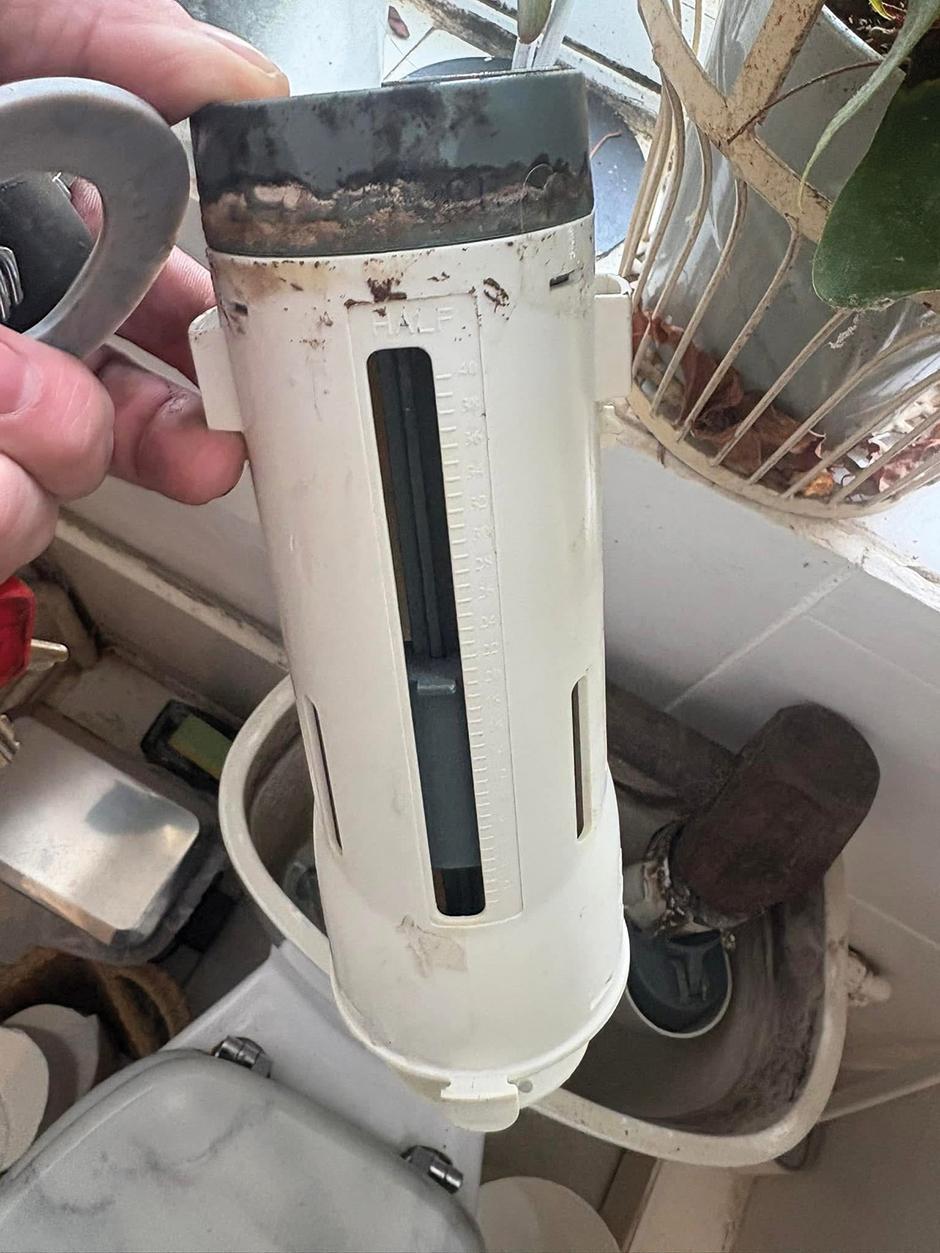
Maintenance of a flush valve is important. There are not many manufacturers who provide a repair kit; most simply provide a complete unit. If you can find the correct one to match, few have any identifying marks and each wholesaler trades different ranges, so tracking down a like-for-like swap might be time consuming.
The biggest issues from poor maintenance or incorrect installation are wasting water and backflow prevention from a cistern. A toilet can waste as much as 200-400 litres a day from a leaking/passing flush valve. It’s common to see water running down the back of the bowl and to drain. This can be overflowing or more commonly the flushing operation stuck partially open. Water is becoming scarce and more expensive, this is why maintenance is so important.
The fill valve can be side entry or bottom entry. Plastic threads (always painful) or brass threads connect the water. The important part here is compliance with the Water Regulations UK as there are so many types on sale and not all comply. The Water Regulations, regulation 4 states you have a legal duty to ensure any water fittings installed meet requirements. Not all products available for sale are suitable for every job, but it is the responsibility of the installer or anyone carrying out work on the system to ensure that fittings comply with the Water Regulations. You must install a service valve on the inlet for the purpose of maintenance and servicing, in line with schedule 2 paragraph 1 and 11 of the Water Regulations UK.
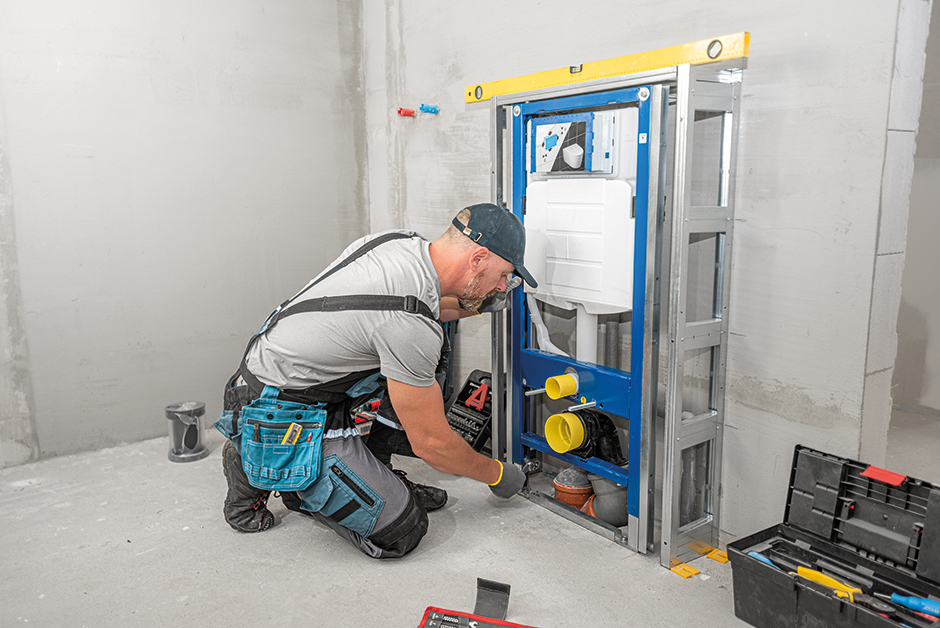
There’s always a debate about how the seals are formed when putting the cistern together, whether any type of sealant should be used. Seals are provided in the packaging and, for some of us, these are fine. Other installers might prefer to use different sealants. The objective is to get it right first time, particularly when you consider how awkward it can be to strip down again if something isn’t right.
If you are installing a toilet that has a hose adjacent to it or a bidet seat/toilet, you will also need to comply with regulation 5 of the Water Regulations UK: notification before installation.
Ultimately, even the most straightforward installations carry significant responsibility. Getting them right protects not just the customer, but the wider water supply. Being registered with the CIPHE and WaterSafe Register demonstrates the competence and knowledge needed to safeguard public health and water supplies.
You might also like
The role of heat interface units (HIUs) in modern heat networks
How to install press-fit pipework for ACR systems